
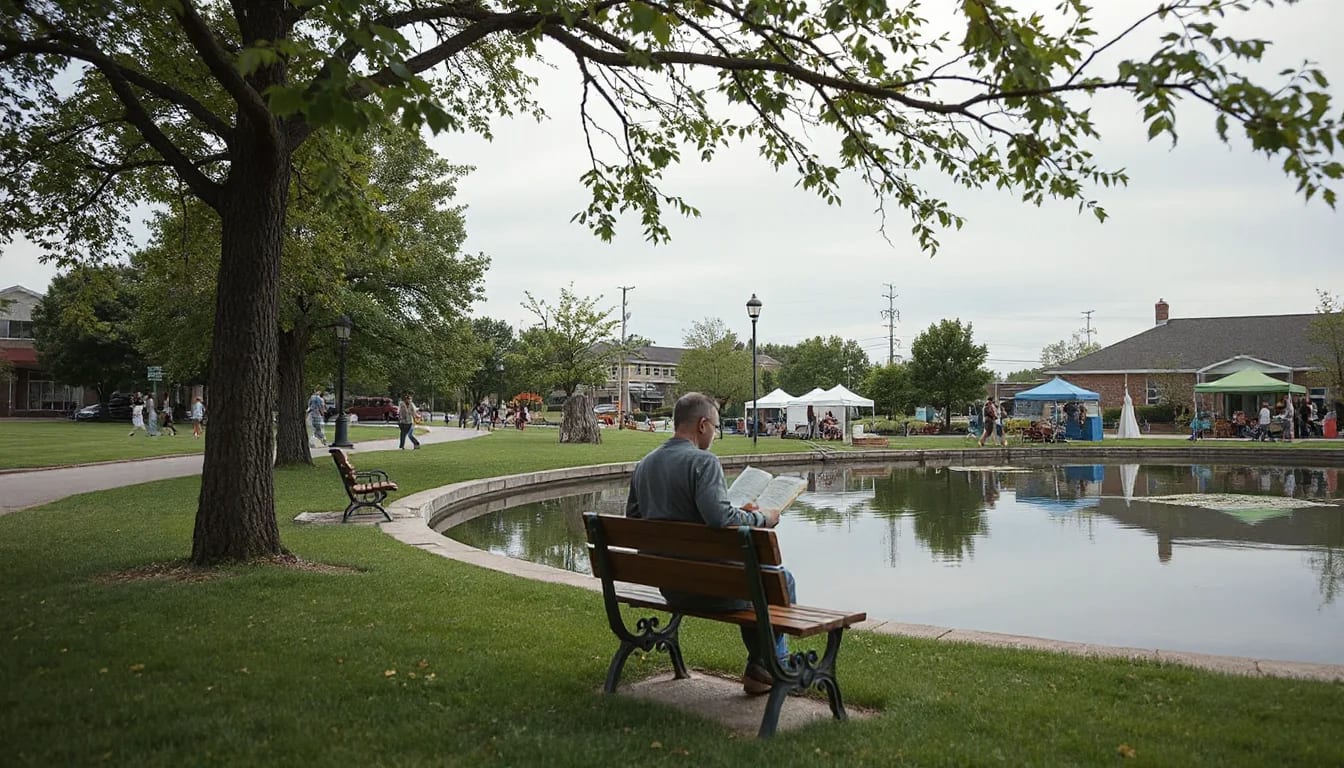
Bartlesville offers more than a convenient place to call home: it is a city where art, architecture, green space, and regional history are part of an ordinary weekend. From Frank Lloyd Wright’s singular Price Tower to museum collections and trail-connected parks, these local landmarks offer memorable ways to explore the community at your own pace.
A City Shaped by Art, Architecture, and Industry
Bartlesville has a distinctive sense of place, built over more than a century of energy-industry history, civic investment, and creative ambition. Visitors and residents can spend a morning studying nationally recognized architecture, an afternoon walking shaded paths near downtown, and an evening taking in a performance or community event. That variety makes local exploration feel less like a checklist and more like an ongoing invitation to look around.
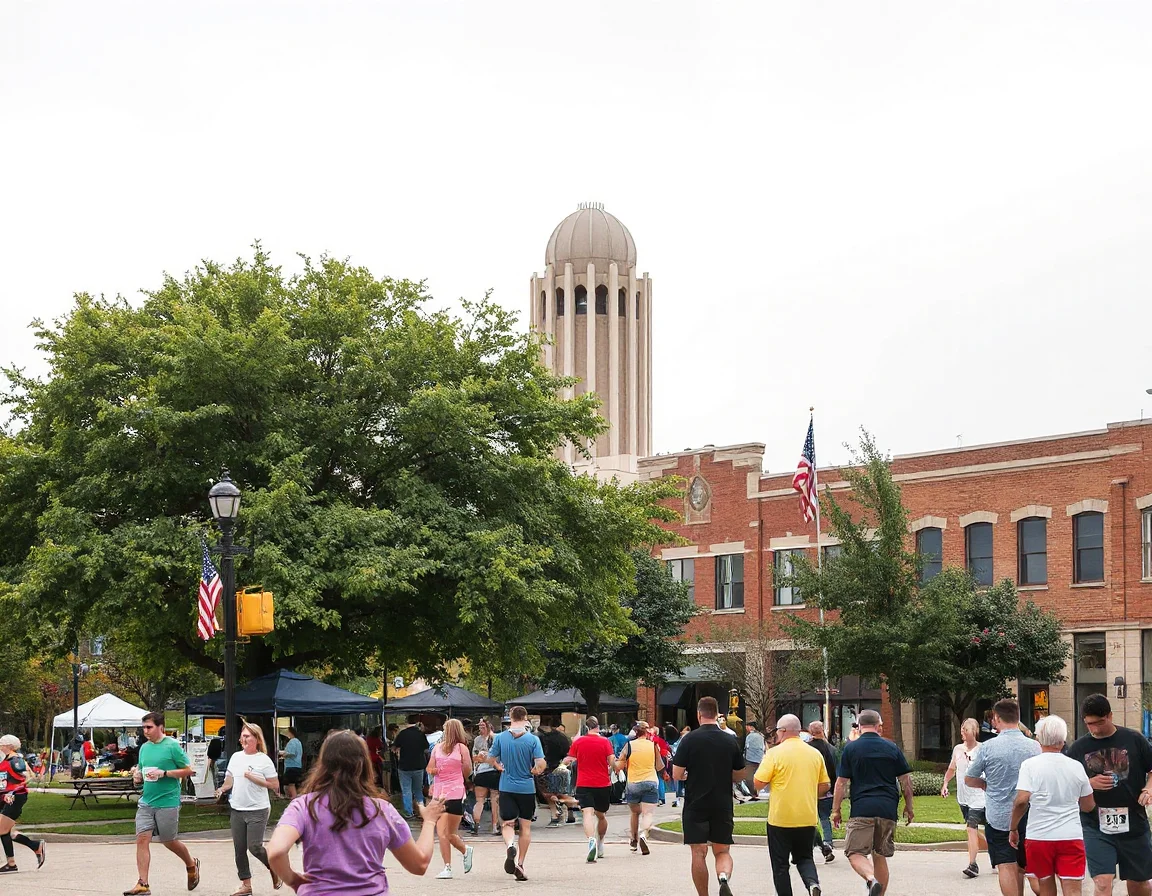
The most recognizable landmark is Price Tower, Frank Lloyd Wright’s only realized skyscraper. Its copper-toned exterior and vertical, geometric design are striking from the street, while its history connects Bartlesville to one of America’s most influential architects. Designed in the 1950s for the H. C. Price Company, the building remains an essential stop for anyone interested in design, local history, or the ways ambitious architecture can shape a city’s identity.
Nearby, the city center provides a walkable setting for public art, cultural venues, and gatherings throughout the year. Bartlesville’s compact core makes it easy to pair a landmark visit with a coffee break, a performance, or time spent browsing local galleries and displays. Seasonal festivals and organized events often add another reason to return, whether the plan is a quick outing or a full day around town.
Price Tower is more than a photo stop: its design gives Bartlesville a nationally recognized architectural landmark in the middle of the city.
Another notable destination is the Bartlesville Community Center, which hosts concerts, theatrical productions, lectures, and other cultural programming. Checking the calendar before a visit can turn an ordinary afternoon into a complete itinerary. The center’s role in local life also reflects something practical about Bartlesville: there are accessible ways to engage with the arts close to everyday errands, workplaces, parks, and neighborhoods.
Museums That Tell the Regional Story
Bartlesville museums offer a useful perspective on the people, industries, and artistic traditions that helped shape northeastern Oklahoma. The Bartlesville Area History Museum is a fitting place to begin. Exhibits explore local development, early commerce, the oil business, and the stories behind institutions that remain part of the city today. It is an informative stop for newcomers who want context beyond a map and longtime residents who enjoy revisiting familiar history.
The Phillips Petroleum Company Museum adds another layer to that story. Bartlesville’s connection to Phillips Petroleum is visible in its built environment and civic history, and the museum documents the company’s impact through artifacts, photographs, and historical materials. Even for visitors without a technical background, the exhibits help explain why Bartlesville developed as it did and why its business legacy remains woven into the community.
For a broader collection of regional art and Western heritage, Woolaroc Museum & Wildlife Preserve is a well-known destination a short drive southwest of Bartlesville. The grounds combine museum exhibits, rolling landscape, native wildlife, and an extensive art collection. It is the kind of place where the setting contributes as much to the experience as the displays inside, especially during seasons when the surrounding landscape changes color.
Museum visits can also be a practical way to get acquainted with the area before making a move. Historical exhibits reveal the industries and institutions that influenced local neighborhoods, while art and architecture provide a window into the civic character that is harder to capture in a listing description. A few hours spent exploring can make street names, landmarks, and local references feel more familiar.
Parks, Paths, and Time Outdoors
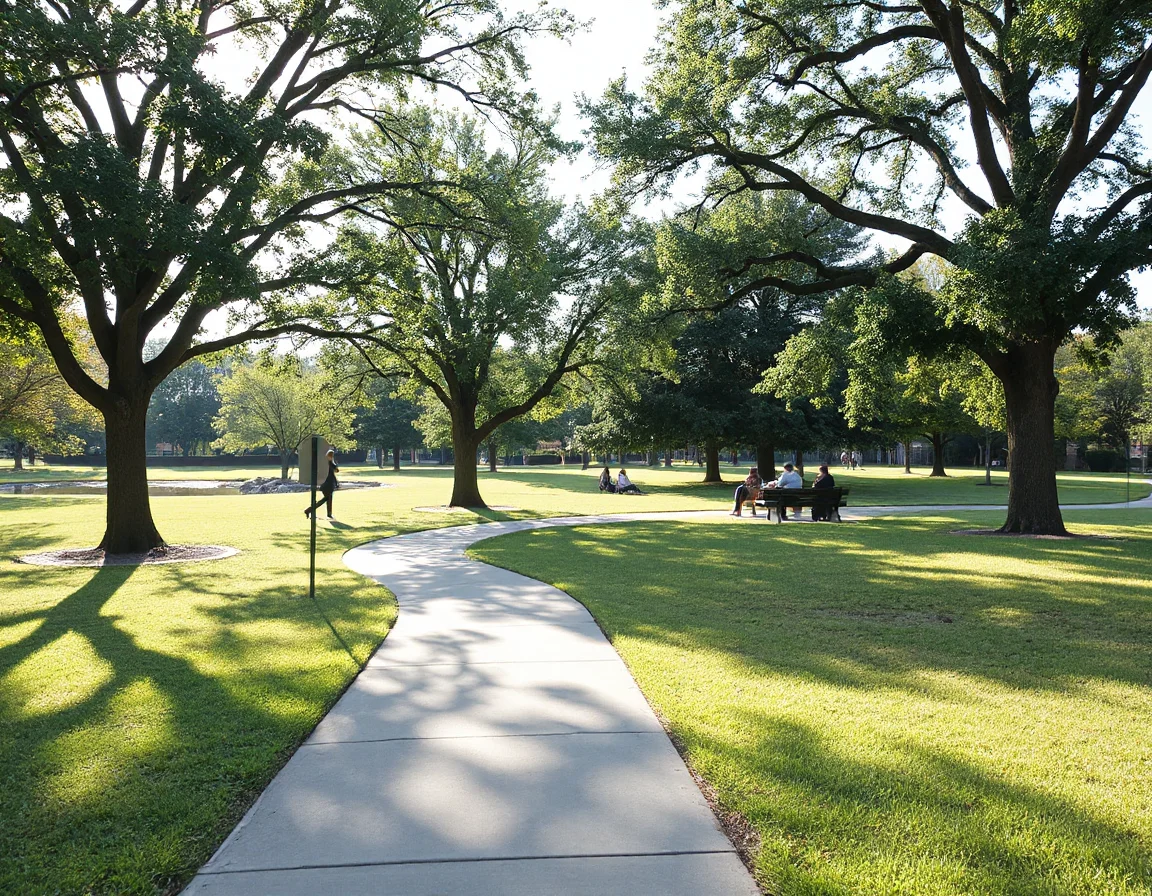
Green space is another strong part of Bartlesville’s appeal. Parks throughout the city offer places to walk, use playgrounds, enjoy open lawns, or pause beneath mature trees. Johnstone Park, along the Caney River, is a familiar local gathering place with picnic areas, trails, and recreational space. Its riverside location creates a pleasant change of pace from the surrounding streets while remaining close to the city’s central amenities.
The city’s trail network provides additional options for walking, running, and cycling. Trails are useful not only for recreation but also for seeing how different parts of Bartlesville connect: residential streets, public spaces, wooded areas, and community facilities come into view at a human pace. For people comparing locations, a walk on a local path can be as revealing as a drive through town.
Seasonal changes give these outdoor places different personalities. Spring brings fresh green canopies and comfortable trail weather; summer is well suited to early-morning or evening walks; fall color makes park routes especially inviting; and winter offers quieter views along open paths. Local parks also host gatherings and organized activities, giving the city’s public spaces a useful rhythm throughout the year.
A visit to a park or trail can reveal practical details that online research misses, including parking access, shade, trail surfaces, nearby public amenities, and the pace of activity at different times of day.
Build a Weekend Around Local Landmarks
A satisfying Bartlesville itinerary does not require a packed schedule. Start with Price Tower or the Bartlesville Area History Museum, take a break near the city center, and spend the afternoon at Johnstone Park or on a nearby trail. Those interested in a longer regional outing can reserve time for Woolaroc, where the museum and preserve reward an unhurried visit.
Exploring these places also helps connect real estate research to daily life. Home features matter, but so do the routines available beyond the front door: where to take a walk, where to meet friends, which venues host events, and what local history gives a community its character. Bartlesville’s museums, parks, and landmarks offer many entry points into that larger picture.
Whether you are visiting for the first time or rediscovering familiar streets, leave room for the unexpected detail: a building silhouette at sunset, a new exhibit, a shaded bench near the river, or a performance on the calendar. These small experiences are often what make a city memorable—and Bartlesville has plenty of them to explore.