
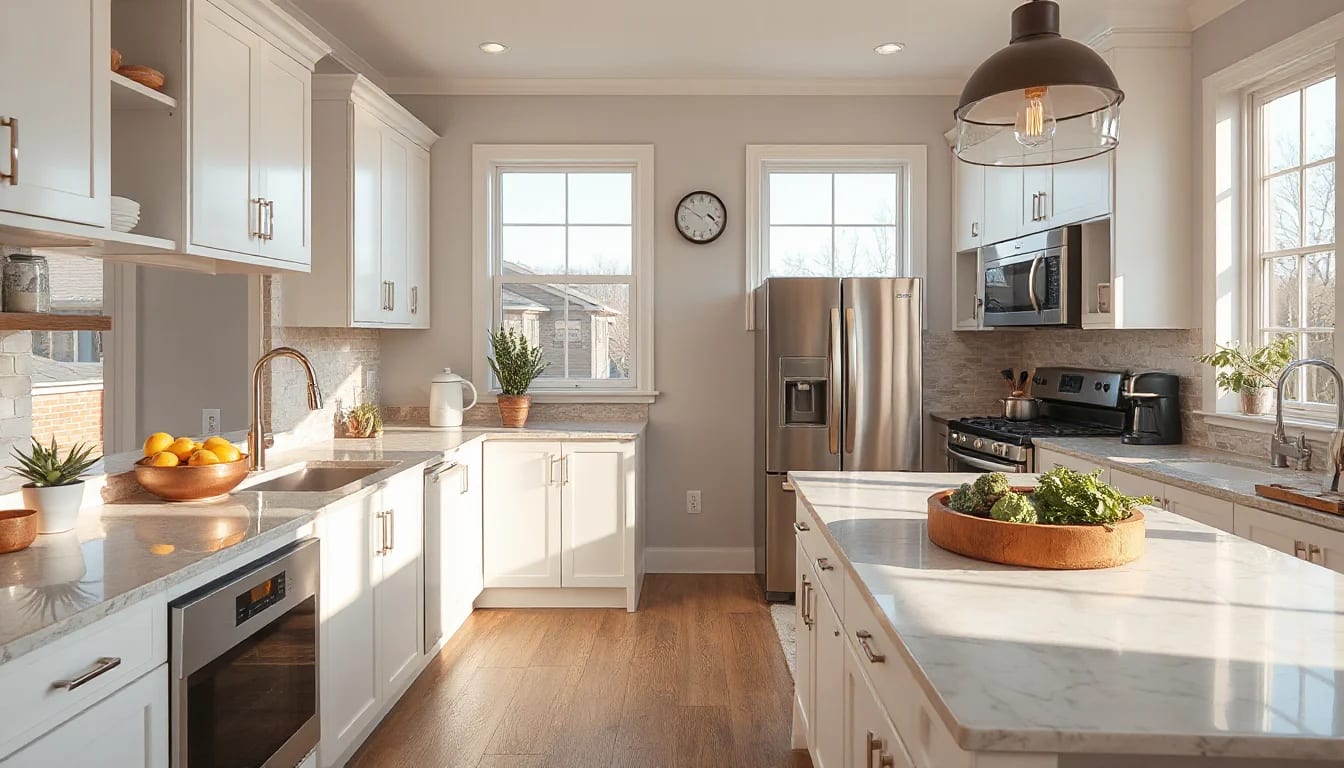
The most valuable home upgrades are not always the flashiest ones. In Jenks, practical improvements that make a home more comfortable, efficient, and easy to maintain can also help it present more confidently when it is time to sell. Start with the projects buyers can feel the moment they walk through the door, then match larger updates to your budget and timeline.
Begin With Everyday Comfort
Before choosing finishes or scrolling through renovation photos, take a close look at how your home performs on an ordinary day. Does the entry feel welcoming? Are certain rooms difficult to cool during an Oklahoma summer? Do storage areas work hard enough? The upgrades with the strongest long-term impact often solve these daily frustrations while giving future buyers a clearer sense of care and upkeep.
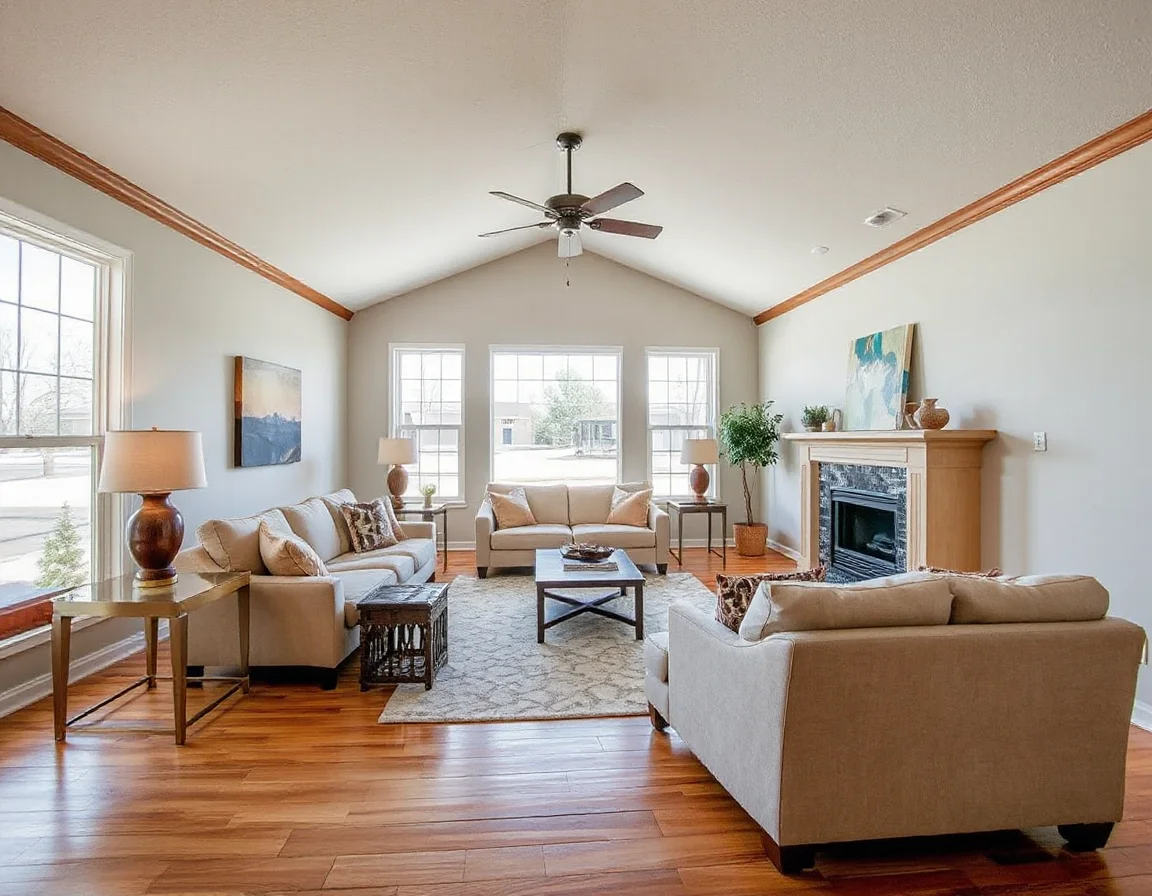
Climate control is a practical place to start. Routine HVAC service, sealed ductwork, programmable thermostats, weatherstripping, attic insulation, and properly operating ceiling fans can improve comfort without changing a home’s character. These projects may not create the instant visual impact of a new countertop, but they can reduce drafts, help rooms feel more consistent, and provide useful maintenance documentation when a property is listed.
Windows and exterior doors deserve attention, too. A door that closes smoothly, updated seals around windows, and repaired screens all communicate that the home has been maintained. If replacement windows are part of the plan, focus on durable products and appropriate installation rather than choosing solely by appearance. Keep invoices, warranty information, and service records in one accessible place; organized records can help answer common buyer questions later.
A well-tuned HVAC system, fresh filters, and sealed gaps can make a noticeable difference during Jenks heat and seasonal temperature swings—without requiring a full remodel.
Comfort also comes from lighting. Replace burned-out bulbs, consider warmer LED lighting in living spaces, and add focused task lighting where it is useful, such as kitchen counters, desks, vanities, and laundry areas. Good lighting makes a home easier to use and can make rooms feel more open during showings. Aim for a coordinated color temperature throughout the home rather than mixing cool and warm bulbs from room to room.
Choose Kitchen and Bath Updates With Staying Power
Kitchens and bathrooms remain high-attention spaces because people spend time evaluating their condition, functionality, and maintenance needs. That does not mean every home needs a complete renovation before sale. A thoughtful refresh can often be more effective than a major project that stretches the budget or introduces delays.
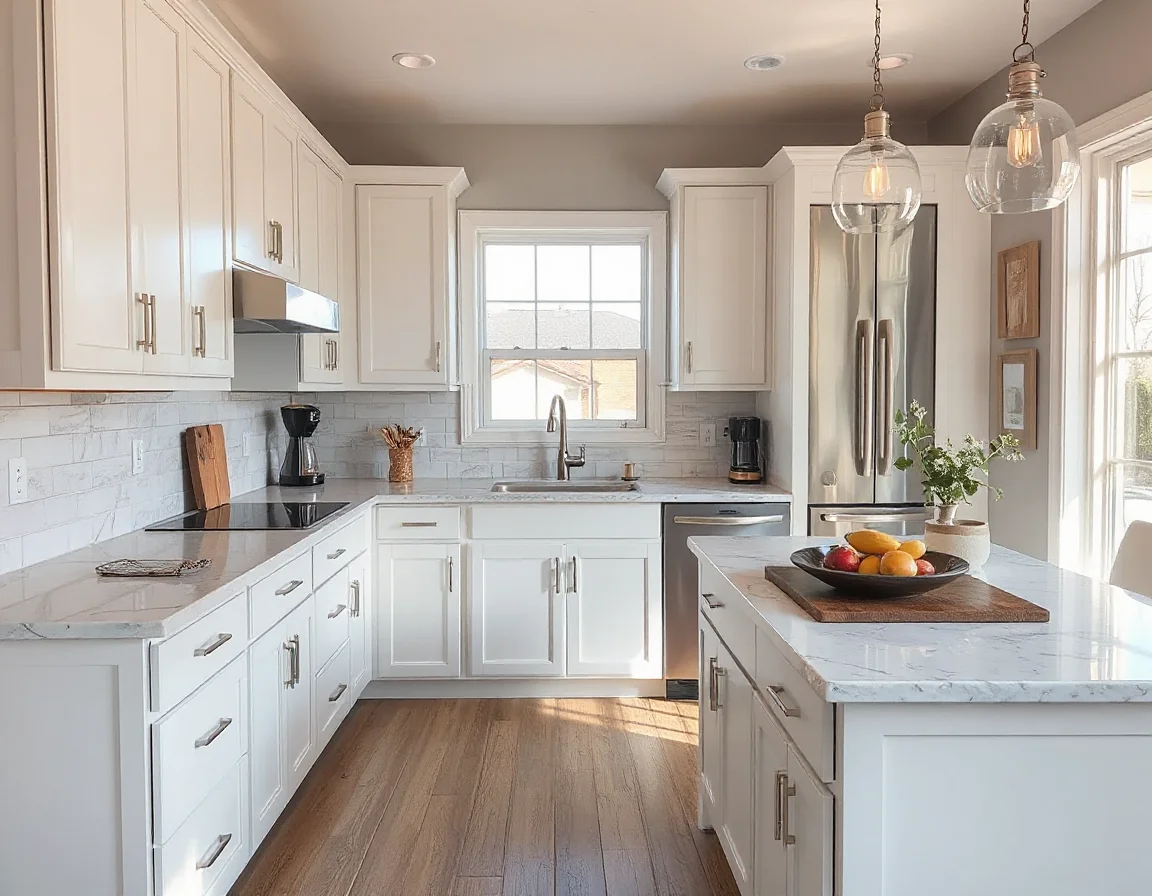
In the kitchen, start with the fundamentals: cabinet doors that align, drawers that slide reliably, working appliances, clean grout, and uncluttered counters. Painting cabinetry, updating hardware, replacing a worn faucet, and adding a simple backsplash can change the room’s impression at a manageable scale. Durable, neutral finishes generally offer flexibility because they allow prospective buyers to picture their own furnishings and colors in the space.
For a larger renovation, consider how the layout functions before selecting premium materials. More counter space, better pantry access, improved ventilation, and logical lighting can matter more than a dramatic feature that does not support daily use. If you are replacing appliances, choose sizes and finishes that fit the existing layout cleanly. Avoid over-customizing a project to a narrow style preference when broad usability is the goal.
Bathrooms benefit from the same approach. Repair leaks, refresh caulk and grout, replace damaged flooring, improve ventilation, and make sure each fixture works smoothly. A new mirror, vanity light, towel hardware, and water-efficient faucet can provide a polished result. In an older bathroom, a clean, bright, well-maintained space often delivers more value than an incomplete or overly complicated renovation.
When a major remodel is not in the budget, a coordinated refresh—paint, lighting, hardware, caulk, and repairs—can make the space feel intentional rather than unfinished.
It is also wise to compare planned improvements with the surrounding Jenks market before committing to a large project. The goal is not to copy another property; it is to make decisions that are proportionate to your home, its condition, and likely buyer expectations. A local real estate professional can help you weigh whether a renovation, repair list, or strategic pre-listing refresh best supports your sale goals.
Make the Exterior Easy to Appreciate
First impressions begin before anyone steps inside. Exterior maintenance is especially important because it signals how the rest of the home may have been cared for. A tidy approach does not require elaborate landscaping; it requires clear pathways, healthy-looking planting beds, working exterior lights, and surfaces that appear clean and maintained.
Start with the front door and approach. Fresh paint or a carefully cleaned finish, updated house numbers, a functioning doorbell, and a welcoming porch light can make the entry feel complete. Repair loose handrails, uneven pavers, cracked caulk, and damaged trim. These are straightforward details, yet they can influence how easily visitors move through the property and how much deferred maintenance they imagine.
Outdoor living areas can also add useful appeal when they are presented as functional extensions of the home. Clean patios, decks, and porches; remove unnecessary items; and make sure gates, fencing, irrigation components, and outdoor faucets are working as intended. A modest seating area or defined gathering space can help illustrate how the area may be used without overwhelming it with décor.
Landscaping should be manageable and seasonally appropriate. Pruned shrubs, fresh mulch, edged beds, and a lawn cared for at a realistic level can improve curb appeal. If larger trees are near the structure, consult a qualified professional about maintenance needs. Healthy drainage is equally important in northeast Oklahoma, so address standing water, clogged gutters, and downspouts that discharge too close to the foundation.
Plan Improvements Around a Future Sale
The strongest upgrade plan is usually phased rather than rushed. Begin with repairs and maintenance, then address comfort and efficiency, and finally consider cosmetic projects that improve presentation. This order protects the home’s basics first and helps prevent a fresh finish from being undermined by a leaky fixture, malfunctioning system, or neglected exterior detail.
Create a simple project list with three categories: items that need repair, improvements that increase daily comfort, and updates that improve visual consistency. Add estimated costs, contractor availability, and the amount of disruption each project may create. If a move is possible within the next year or two, prioritize projects that can be completed cleanly and documented well. If you plan to stay longer, choose upgrades that enhance your use of the home now while still supporting future resale.
Paint remains one of the most flexible tools in this process. Fresh, well-applied paint can unify rooms, brighten trim, and help buyers focus on the home’s layout rather than signs of wear. Pair it with professional cleaning, minor drywall repairs, and careful decluttering for an especially effective pre-listing combination. The goal is not to erase personality; it is to make the home’s best features easier to see.
Whether you are preparing for a sale soon or building a multi-year improvement plan, focus on quality work, practical function, and consistent maintenance. Those choices support a more comfortable home today and create a stronger story when it is time to introduce the property to the Jenks market.