

A single asking price rarely tells the whole story of the Sperry housing market. Buyers and sellers can make better decisions by comparing recent sales, active competition, price changes, and the time homes spend on the market. Here’s how to interpret those signals before deciding when to make a move.
Start With the Right Market Snapshot
Home prices and inventory can change from one season to the next, but the most useful market picture is more specific than a headline. In Sperry, a buyer considering a home with a large garage may face different choices than someone looking for a smaller property, while a seller’s competition depends on the homes currently available at a similar price and size.

Begin with a current list of active homes, pending sales, and recently closed properties. Each category answers a different question: active listings show the choices buyers have now, pending sales suggest which properties attracted offers, and closed sales reveal what buyers actually paid. A listing price is an invitation to negotiate; it is not proof of a home’s final value.
Look at the dates behind the numbers, too. A comparison from several months ago may need context if financing costs, competing inventory, or property conditions have changed. Ask for a report covering a consistent recent period and, where useful, a longer view to help distinguish a brief fluctuation from a more sustained pattern.
In a market with relatively few comparable sales, one unusually large, updated, or distressed property can noticeably shift the median. Always examine the individual homes behind the statistic.
There are no verified current price or inventory figures included here, so treat this guide as a framework rather than a live market report. Kendra Hendren can help you review the latest available data for the type of property you are considering.
What Price Movement Really Means
A median sale price is the midpoint of closed sale prices during a particular period. It can be useful for tracking broad changes, but it does not necessarily show how much a specific home gained or lost in value. If more higher-priced properties sell in one month, the median can rise even if individual home values have not changed by the same amount.
For a closer comparison, look at homes with similar square footage, lot size, age, condition, and amenities. Garage capacity, usable outdoor space, and functional layouts can affect how buyers compare properties, but their value depends on the home and the competing options. A remodeled kitchen or a new roof may matter, too, especially when buyers are weighing immediate repair costs.
Compare the full transaction
Ask about the original list price, the final list price, and the closing price. A home that sells below its original price may have had one or more reductions before receiving an offer. Also consider seller-paid closing costs, repair concessions, and other terms when available: two homes with the same sale price can have different financial outcomes for their sellers.
Price per square foot can help flag properties worth a closer look, but it is not a stand-alone valuation. It does not fully account for acreage, outbuildings, renovation quality, or differences in layout. Use it alongside a property-by-property review rather than multiplying a neighborhood average by a home’s size and treating the result as an appraisal.
Inventory and Time on Market: Read Them Together
Inventory is more than a count of listings. A buyer needs to know how many homes meet their actual criteria, while a seller needs to understand how many comparable properties are competing for attention. Review new listings, pending sales, withdrawals, and price reductions over the same period for a fuller picture.
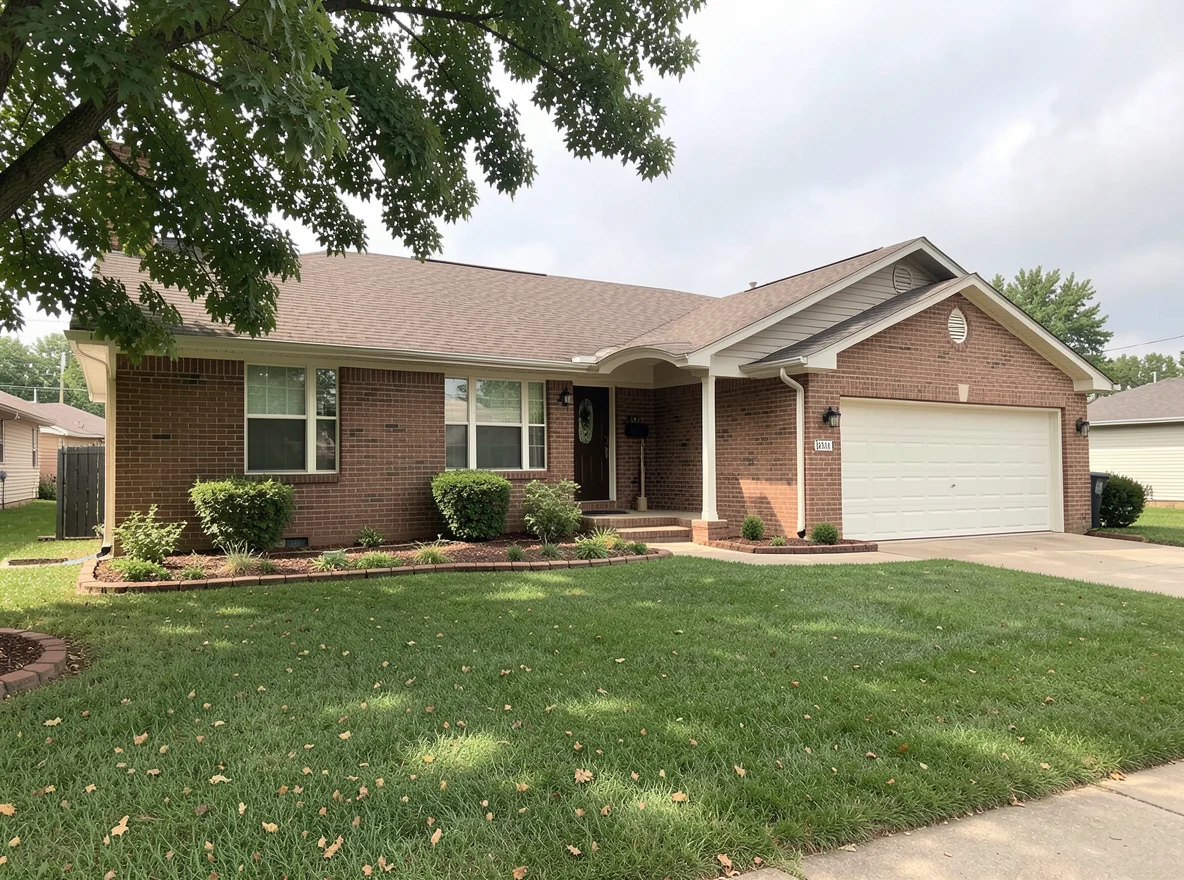
Days on market measures how long a property has been listed under the applicable listing system’s rules. A short time on market may suggest strong interest, while a longer period can signal a pricing issue, condition concerns, limited exposure, or simply a smaller pool of interested buyers. Ask whether a property was previously listed or relisted, since that history may not be obvious from one number.
Months of supply is another useful measure: it compares available inventory with the recent pace of sales. It describes how long the current supply would theoretically last at that pace if no additional homes came on the market. The figure is a snapshot, not a prediction, and can change quickly when the number of sales is small.
A growing number of listings does not automatically mean every price range is easier for buyers. Check the supply of homes that actually match your budget and must-have features.
Watch how these measures interact. More choices combined with longer marketing times may give buyers room to compare and negotiate. Fewer comparable options and quicker pending sales can make preparation more important. Neither pattern guarantees a particular outcome for an individual property.
A Practical Plan for Buyers
Before touring, establish a budget that includes more than the purchase price. Financing terms, insurance, property taxes, inspections, potential repairs, and ongoing maintenance all affect the cost of ownership. A lender can explain current loan options and help you understand how a change in interest rates may affect your monthly payment.
As you review listings, separate essentials from features you would appreciate but could add later. Compare the condition of major systems, the size and usability of the lot, and how the layout fits your plans. If a home has been on the market for a while, ask for its price and listing history rather than assuming there is a problem.
When you find a property worth considering, review recent comparable sales and discuss offer terms with your agent. Price matters, but so do inspection provisions, financing contingencies, closing timing, and any requested concessions. Keep enough flexibility to make an informed decision without relying on an unsupported prediction about where the market will go next.
A Practical Plan for Sellers
Pricing begins with the properties buyers can choose from today and the homes that have recently sold. Review similar listings as a buyer would: compare condition, photographs, amenities, and asking prices. Then examine closed sales to test whether those asking prices are supported by actual transactions.
Prepare the property with an eye toward clarity and presentation. Address known maintenance issues where practical, tidy outdoor areas, and make garages and living spaces easy to view. Consider which improvements are worth completing before listing and which are better reflected in the price; not every project will return its full cost at sale.
Once listed, track showings, feedback, competing inventory, and changes in nearby asking prices. If interest is limited, discuss whether presentation, condition, access, or pricing needs attention. A planned review point can help you respond to evidence rather than making a rushed adjustment after only a few quiet days.
Choose Your Timing With Context
The right time to buy or sell depends on your finances, goals, and available options as well as the market. Instead of waiting for a perfect headline, follow the homes most relevant to your decision and revisit the numbers as new listings and sales appear. A current, property-specific conversation with Kendra Hendren can help turn Sperry’s price and inventory signals into a plan for your next step.