
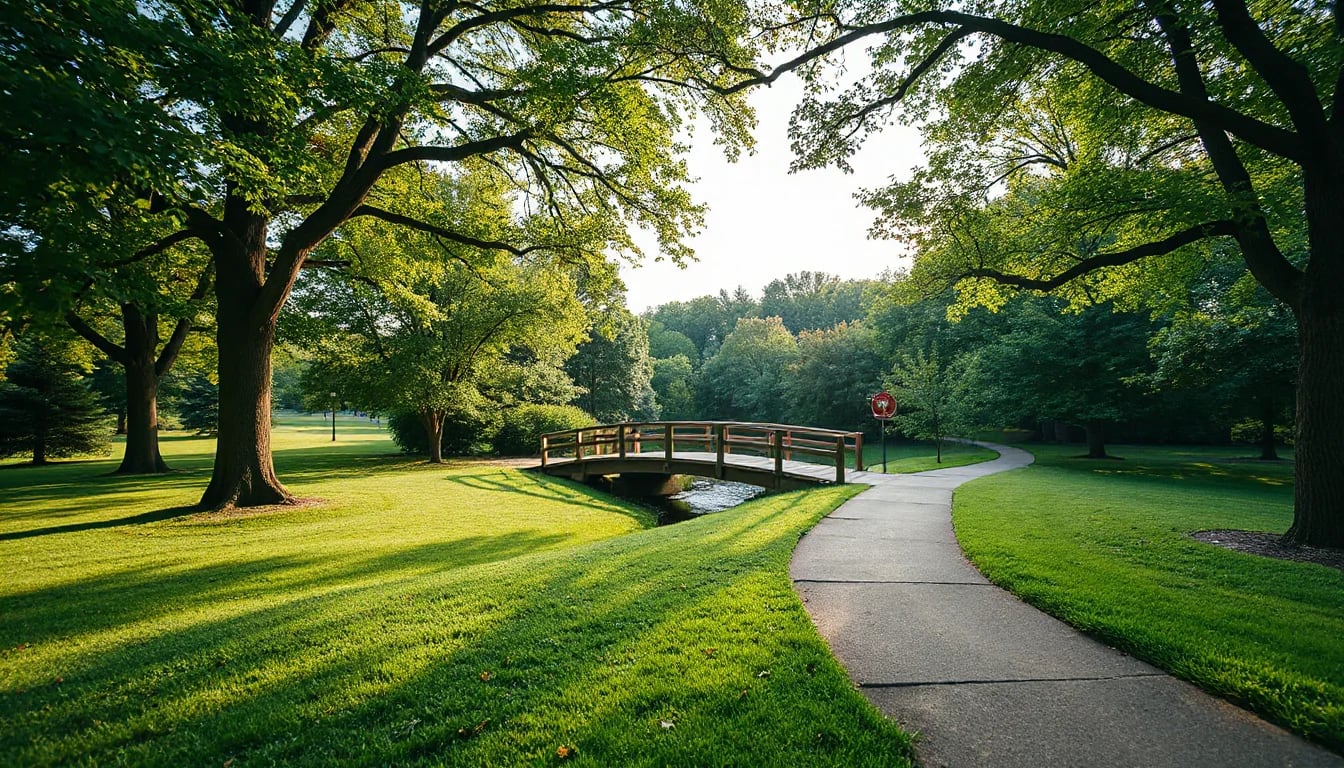
Owasso offers an easy-to-explore mix of paved trails, green spaces, everyday conveniences, and gathering places that give a day in town plenty of variety. Whether you are comparing locations before a move or looking for fresh ways to enjoy the area, this guide highlights places to walk, browse, relax, and get oriented.
A Practical Starting Point for Exploring Owasso
Owasso sits just north of Tulsa and has grown into a well-connected Oklahoma community with a broad range of local amenities. A visit can begin with a walk through a park, continue with errands or a meal near major retail corridors, and finish with a stop at a community event or public gathering space. That mix is one reason people researching the area often find it useful to spend an unhurried afternoon here rather than relying only on a map.
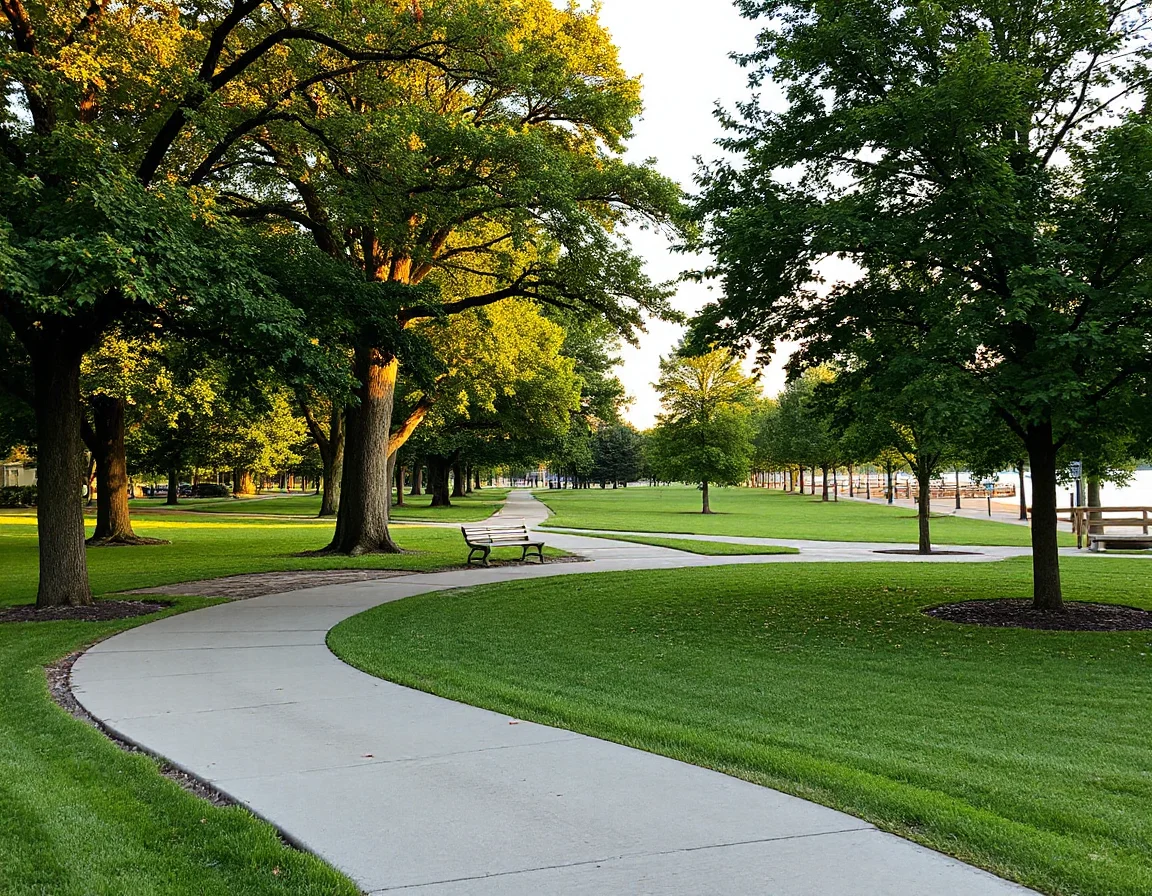
For an overview of the city’s layout, start near the main corridors around 86th Street North and U.S. Highway 169. These routes connect much of Owasso’s retail, dining, service businesses, public facilities, and residential areas. The drive also gives visitors a sense of how quickly the setting shifts from active commercial centers to quieter streets with parks, ponds, and neighborhood entrances.
Owasso’s public spaces provide useful landmarks when learning the area. Centennial Park is a familiar community destination with open green space and room to pause between stops. Rayola Park, Funtastic Island, and other city-maintained recreation areas add playgrounds, sports facilities, walking routes, and outdoor gathering points across town. Check city schedules before visiting for current hours, field availability, and special-event details.
A simple way to compare daily convenience is to time a route from a park or neighborhood you are considering to groceries, healthcare, recreation, and the highway during the part of the day you would normally travel.
The city’s calendar also brings people together through seasonal celebrations, performances, organized recreation, and local events. Redbud Festival Park is an especially recognizable gathering place, hosting events that make its central location feel more active throughout the year. Even on a quieter day, public parks can offer a helpful view of how Owasso uses its outdoor spaces and maintains its community amenities.
Trails, Parks, and Time Outside
Trail access is one of the most approachable ways to experience Owasso. Paved paths and sidewalks around public parks create options for walking, jogging, biking, or simply taking a short break outdoors. The terrain is generally gentle, and the broad Oklahoma sky gives even a brief outing a sense of openness—especially in spring, when trees leaf out, or in autumn, when cooler temperatures make afternoon walks more comfortable.
Centennial Park is a good place to begin because it combines a traditional park setting with nearby city activity. Visitors can look for walking paths, shaded spots, recreation facilities, and open lawn while getting a feel for the surrounding streets. It is less about completing a strenuous route and more about having accessible outdoor space integrated into the rhythm of everyday errands and community events.
For another kind of outdoor stop, look toward Owasso’s smaller parks and recreation facilities. These locations can be useful when comparing different parts of town because amenities are distributed across the community rather than concentrated in one single destination. A walking route, athletic field, play area, or picnic table may seem like a small detail, but it can shape how a location fits into an everyday routine.
Weather matters in northeastern Oklahoma, so visitors often find morning or late-afternoon exploration most comfortable during warmer months. Bring water, check the forecast, and allow extra time after rain, when trail surfaces and grassy areas may still be damp. The reward is a more grounded understanding of the setting than a drive-by can provide.
Retail Corridors and Everyday Stops
Shopping is a major part of Owasso’s convenience story. Along the city’s primary commercial corridors, national retailers, locally owned services, grocery options, fitness facilities, and dining choices are positioned for efficient trips. The area around Smith Farm Marketplace is one of the recognizable retail hubs, with a concentration of destinations that can make it easy to combine several stops in one outing.
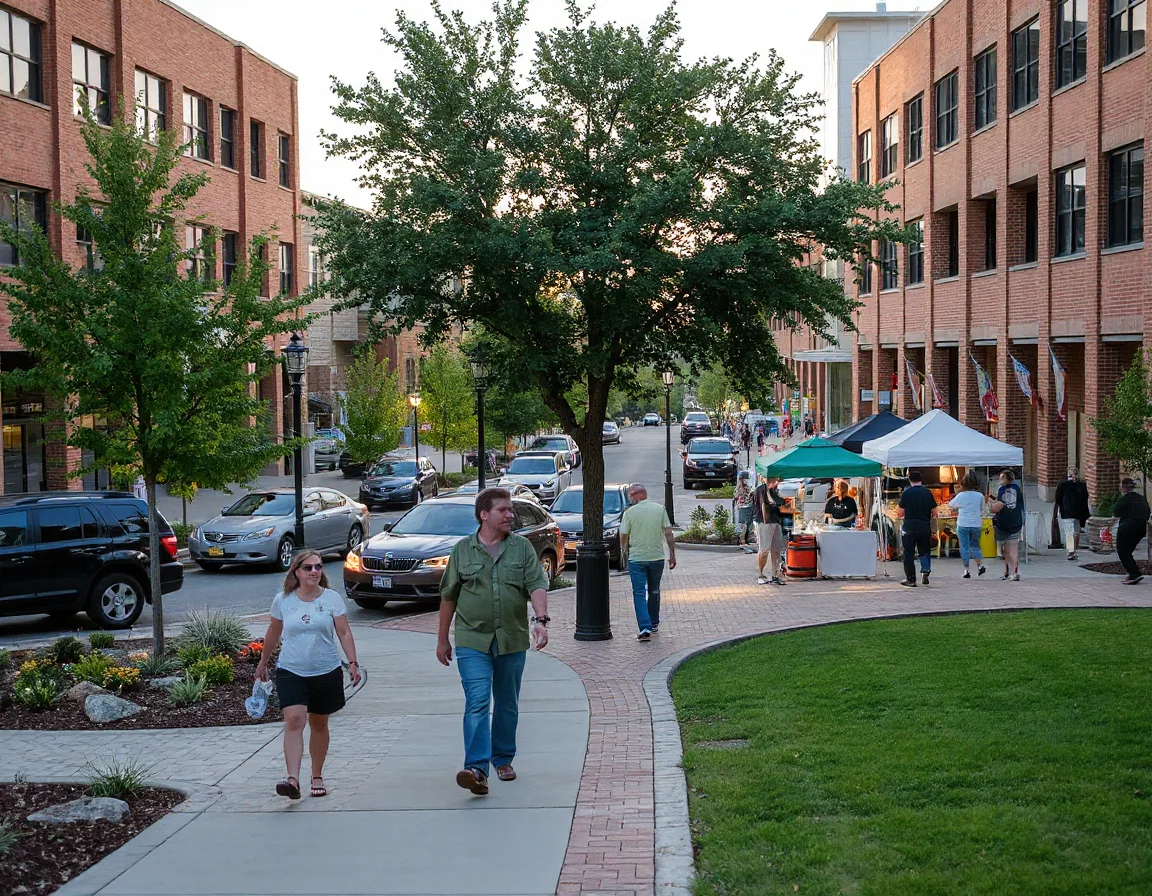
Rather than treating shopping as a destination all its own, it can be helpful to see it as part of Owasso’s larger pattern of access. A quick grocery run, a visit to a service provider, lunch with a friend, or a stop for household supplies can often be paired with time at a nearby park or a drive through a different section of town. This practical proximity is valuable information for anyone narrowing a home search.
Local dining options offer another way to explore. Menus and hours change, but Owasso includes a mix of casual meals, coffee stops, familiar favorites, and independent establishments. Exploring at different times of day can reveal how traffic flows around the retail areas and how long a typical trip might take. For a more complete current picture, consult local business listings or city resources before making plans.
When touring homes, leave room for one unscheduled stop nearby. A five-minute detour to a park, trailhead, or everyday service center often answers practical questions that listing photos cannot.
If Owasso is on your list, browsing current inventory alongside an in-person visit can help connect property features with the surrounding amenities. Lot size, commute routes, neighborhood layout, and proximity to public spaces all become easier to evaluate once you have spent some time moving through the city.
Local Landmarks That Help Tell the Story
Owasso’s landmarks are often community-oriented rather than monumental, which suits a city shaped by everyday activity and steady growth. Redbud Festival Park is one of the clearest examples: it functions as a visual reference point and a setting for public celebrations. Parks, schools, civic facilities, and established commercial intersections also serve as practical landmarks when navigating the area.
History remains part of the backdrop. Owasso began as a railroad-era settlement and has changed considerably over the decades, evolving from a small community into a significant part of the Tulsa metropolitan area. That history is visible less through a single historic district and more through the contrast between established streets, newer development, and the transportation routes that continue to connect the city with the region.
For people considering a move, the most useful landmark may ultimately be the one that supports a regular routine: a trail near a favorite route, a park bench beneath mature trees, a nearby grocery option, or an easy highway connection. Owasso rewards this kind of practical exploration. Take time to walk a path, note the drive times that matter to you, and experience how the city’s parks, retail centers, and gathering places fit together.