

Buying a first home in Owasso becomes far more manageable when the process is handled in order: prepare finances, secure a dependable preapproval, compare homes with clear priorities, and protect each deadline from contract to closing. This guide breaks down the decisions that matter most so you can move forward with fewer surprises and a stronger plan.
Begin With a Clear Financial Picture
Home buying often starts with scrolling through listings, but the most useful first step happens before a showing: understanding your budget. Review household income, monthly debts, available savings, and the amount you would be comfortable paying each month for housing. A monthly payment can include principal, interest, property taxes, homeowners insurance, and, when applicable, mortgage insurance or association dues. Looking at the full payment—not just the list price—helps create a search that is realistic from the start.

It is also helpful to separate the funds needed for a down payment from the funds needed for closing costs, inspections, appraisal-related expenses, moving, and the first round of home maintenance. The amount needed varies by loan type and purchase terms, so a lender can provide a more personalized estimate. Keeping a cushion after closing can make the transition into homeownership feel much more comfortable.
Before applying, avoid opening new credit accounts, financing a large purchase, or moving money among accounts without saving a clear paper trail. Lenders review recent financial activity as part of the approval process. Stable employment, consistent deposits, and organized documentation can make underwriting smoother later.
A preapproval amount is a useful ceiling, not necessarily a spending target. Build your home search around a payment that leaves room for everyday goals, repairs, and unexpected expenses.
Get Preapproved Before Touring Seriously
A preapproval is more than a quick online estimate. It is a lender’s review of your financial information that provides a clearer picture of loan options and likely purchasing power. While requirements differ by lender and program, applicants commonly provide identification, recent pay stubs, tax returns or W-2 forms, bank statements, and information about recurring debts. Ask questions about interest-rate assumptions, estimated cash to close, credit guidelines, and any program-specific requirements.
Comparing lenders can be worthwhile, especially when you are looking at loan costs, communication style, and the ability to explain options in plain language. A loan officer should be able to walk through the estimate line by line and explain what can change between preapproval and closing. Remember that a preapproval is based on information available at that time; final approval still depends on underwriting, the property, and verification of your finances.
Once preapproved, create a focused list of priorities. Consider location preferences, commute routes, number of bedrooms and bathrooms, storage, outdoor space, home condition, and features that would be difficult or expensive to change later. Divide the list into “must-have,” “would-like,” and “not-needed” categories. This keeps a home search from becoming overwhelmed by cosmetic details while helping you recognize a strong fit when it appears.
Tour Homes With Both Curiosity and Discipline
Viewing homes is where your planning becomes practical. During each visit, look beyond paint colors and furnishings. Notice the condition of major systems, the age and apparent maintenance of the roof, the layout of rooms, natural light, storage, drainage around the property, and any features that may require further review. Take notes after every tour; details can blur together quickly after several showings.
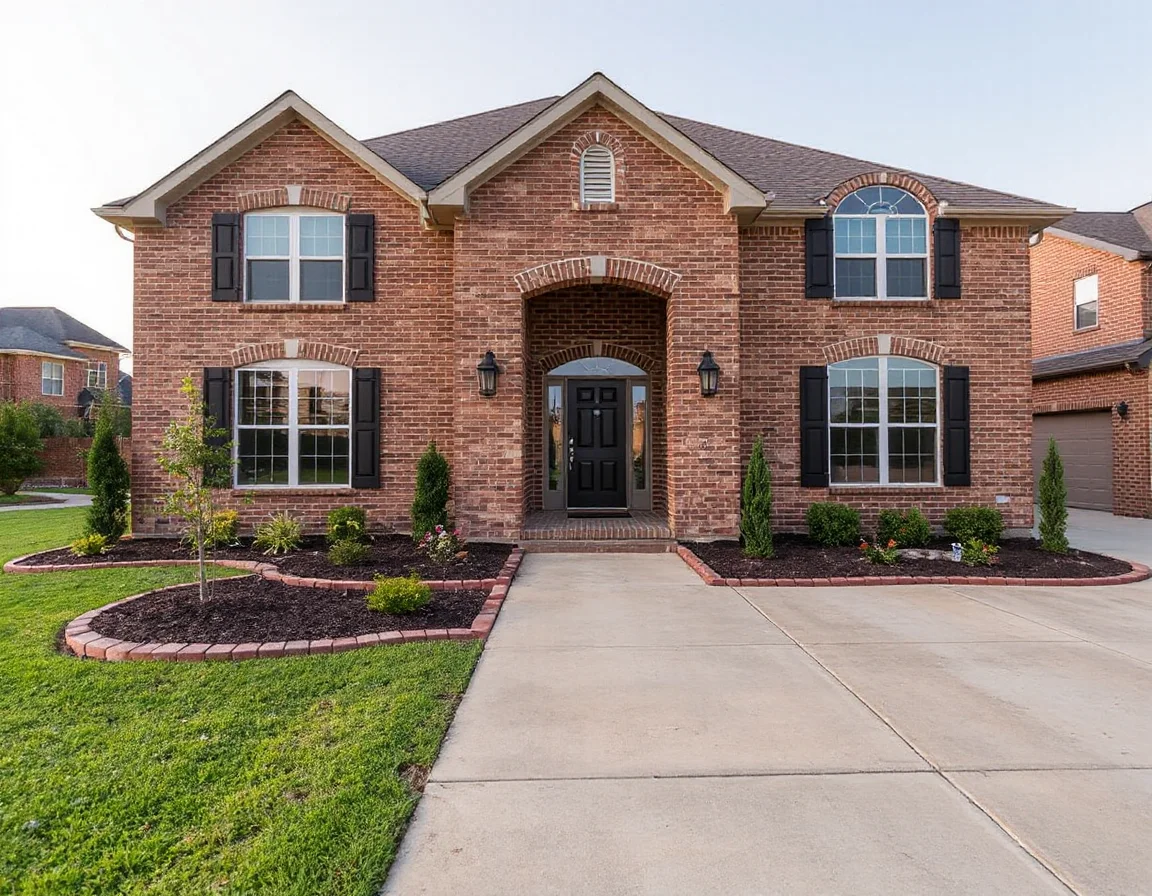
Owasso offers a range of housing styles, from established properties to newer construction, so comparison is important. A newer home may have different maintenance considerations than an older home with mature landscaping and updates completed over time. Instead of assuming one type is automatically better, weigh condition, location, price, lot characteristics, and the work you are prepared to take on after closing.
When you find a property that fits your core priorities, your agent can help interpret comparable recent sales, current competition, seller disclosures, and contract terms. Price matters, but it is only one piece of an offer. Closing date, inspection provisions, financing terms, requested seller concessions, and personal-property requests can all affect how an offer is received.
A competitive offer should still protect your interests. Avoid waiving important protections simply to make an offer appear stronger without first understanding the possible consequences. The right terms depend on the property, market conditions, financing, and your comfort level with risk.
Use the Contract Period to Learn About the Property
After an offer is accepted, the process shifts from choosing a home to verifying the details. The inspection period is your opportunity to learn more about the property’s condition through a qualified inspector. An inspection is not a pass-or-fail score; it is an evaluation that can identify maintenance needs, safety concerns, system conditions, and items that may deserve additional specialist review.
Read the report carefully and focus on the findings that affect function, cost, or your willingness to proceed. Some homes will have a list of routine repairs, even when they have been well cared for. Your agent can help you consider which requests are reasonable and how the contract timeline applies. Depending on the agreement, possible outcomes can include repairs, a credit, a price adjustment, acceptance of the condition, or a decision to end the contract within the applicable contingency period.
Inspection reports are most valuable when they help you plan. Separate ordinary upkeep from material concerns, then use professional advice when a report recommends a specialist evaluation.
The lender will also arrange an appraisal if required by the loan. The appraiser evaluates the property for the lender and estimates value using market data and property characteristics. An appraisal is different from an inspection: it does not replace a detailed condition review. If the appraised value differs from the contract price, the parties and lender may need to review the available options under the contract and loan guidelines.
Stay Steady Through Final Approval and Closing
As closing approaches, lenders often request updated documents and verify that finances have remained consistent. Respond quickly, provide complete copies, and ask for clarification if a request is unfamiliar. Continue to avoid major credit changes, large unexplained deposits, job changes, or new debt unless you have discussed the situation with your lender first.
Before closing, review your Closing Disclosure carefully. It outlines the final loan terms, projected payments, cash needed to close, and many transaction costs. Compare it with earlier estimates and ask your lender or closing professional about any item you do not understand. You will also complete a final walk-through shortly before closing to confirm the property is in the agreed-upon condition and that negotiated repairs or included items are addressed as expected.
Closing day is a milestone, but it is also the start of ongoing stewardship. Save inspection reports, warranties, receipts, closing documents, and appliance information in one place. Make a first-year maintenance list that includes seasonal tasks, utility information, and projects you may want to prioritize once you are settled.
From preapproval through keys, the strongest first-time buying experience is built on preparation and thoughtful questions. With a clear budget, dependable guidance, and careful attention to each deadline, you can approach an Owasso home purchase with confidence and a practical understanding of what comes next.