
A well-timed maintenance project can do more than keep a house running smoothly—it can also protect pricing power when it is time to sell. In Bartlesville, buyers often notice condition, efficiency, and deferred upkeep quickly, especially in a market where comparison shopping happens online and in person. This guide covers practical projects that help preserve appeal, reduce negotiation pressure, and support a cleaner resale story.
Why maintenance matters before you ever list
Resale value is rarely shaped by one dramatic upgrade alone. More often, it is influenced by a long trail of smaller decisions: replacing worn materials before they fail, keeping systems in working order, and addressing visible issues before they become buyer objections. In a place like Bartlesville, where homes can range from established neighborhoods with mature lots to newer construction with modern finishes, condition plays a major role in how a property is perceived from the first photo to the final walkthrough.
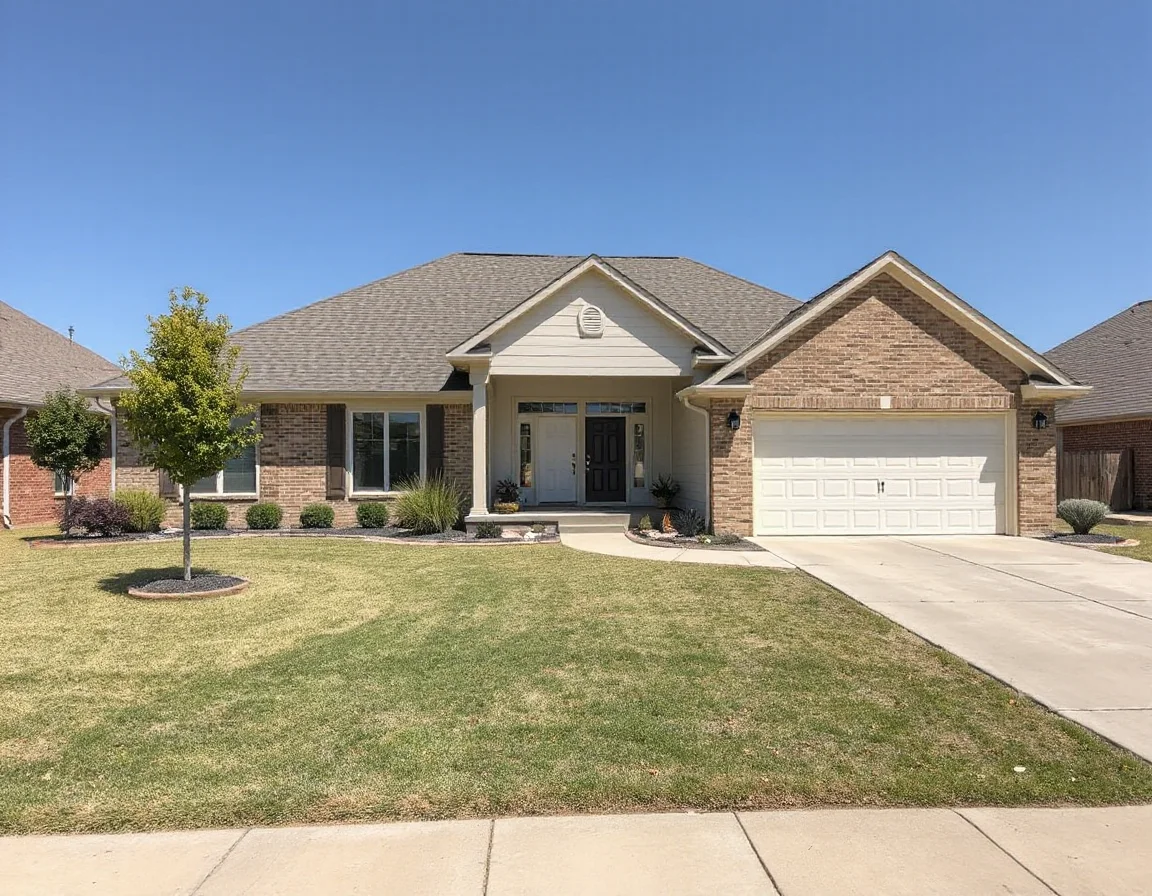
That does not mean every project produces the same return. Cosmetic trends change, and highly personalized renovations do not always translate into higher offers. By contrast, maintenance-focused work tends to support value in a quieter but more dependable way. A solid roof, functional HVAC, well-sealed windows, proper drainage, and fresh exterior surfaces tell buyers the property has been cared for, which can help reduce concerns about future repair costs.
Even if you are not planning to sell immediately, maintenance records and visible upkeep can strengthen your position later. Buyers and inspectors both look for patterns. When a home shows fewer signs of neglect, sellers often face fewer repair requests and less downward pressure during negotiations.
Exterior upkeep often delivers the first payoff
Many of the most valuable maintenance projects happen outside. Exterior condition shapes curb appeal, but it also protects the home from moisture intrusion, wood rot, foundation stress, and energy loss. Start with the basics: inspect roofing materials, flashing, gutters, downspouts, siding, trim, and caulking around doors and windows. If those items are nearing the end of their service life, waiting too long can turn a manageable repair into a larger expense.
A buyer may forgive an outdated paint color more easily than visible signs of water damage or deferred exterior repair. Preventive work often preserves both appearance and negotiating leverage.
Drainage deserves special attention. Water that pools near the foundation or spills from clogged gutters can lead to grading issues, erosion, or interior moisture problems over time. In many cases, relatively modest work—cleaning gutters, extending downspouts, resealing vulnerable joints, or correcting minor slope issues—can help avoid more expensive structural concerns later.
Paint and surface maintenance also matter. Peeling trim, weathered fencing, cracked concrete, or an aging driveway do not automatically derail a sale, but they can make a property feel less move-in ready. Buyers often calculate visible deferred maintenance as a signal that hidden issues may exist too. A clean exterior, maintained landscaping, and repaired hard surfaces support a stronger first impression without relying on flashy upgrades.
Mechanical systems can shape buyer confidence
Inside the home, major systems often influence resale more than decorative updates. Heating and cooling equipment, water heaters, plumbing fixtures, electrical panels, and attic insulation are not the most glamorous topics, but they are some of the first items buyers ask about. If a system is aging but still functional, servicing it now and keeping documentation can be helpful. If it is unreliable, replacement before listing may prevent the home from being discounted more heavily than expected.
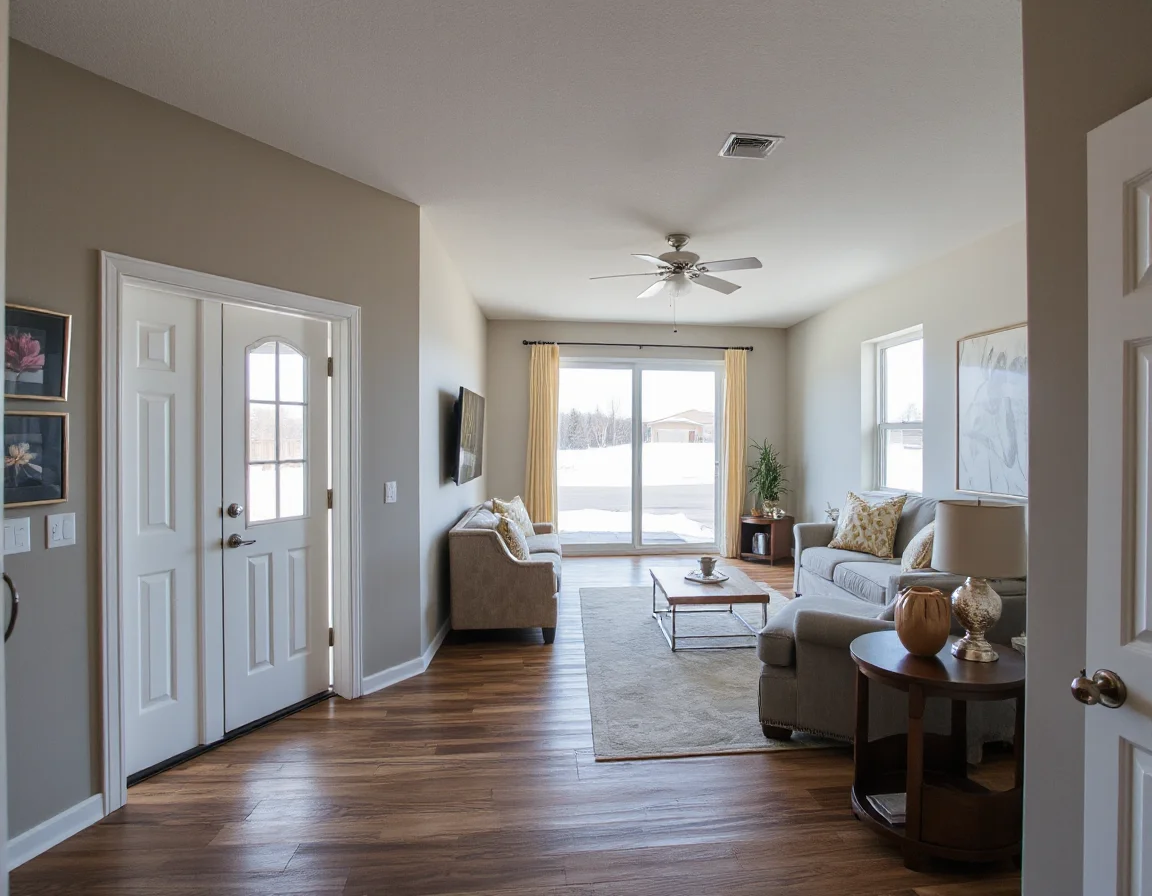
HVAC performance is especially important in Oklahoma’s seasonal temperature swings. A system that cools evenly, heats efficiently, and has a recent maintenance history can reassure buyers who are comparing monthly ownership costs across several properties. The same is true for insulation, weatherstripping, and window seals. These are not always obvious in listing photos, but they become noticeable during showings, inspections, and utility bill reviews.
Plumbing maintenance can protect resale value in similarly practical ways. Slow leaks under sinks, worn supply lines, dripping fixtures, or signs of previous water damage should be addressed early. Water stains, warped baseboards, or musty areas can create outsized concern because buyers know moisture problems sometimes signal a bigger issue. Small repairs completed ahead of time are often less expensive than repairs negotiated under contract.
Electrical upkeep is another area where clean, code-conscious work matters. Replacing unsafe or outdated components, making sure outlets and switches function properly, and addressing obvious amateur repairs can improve both day-to-day livability and overall buyer perception.
Kitchens, baths, and flooring benefit from a maintenance mindset
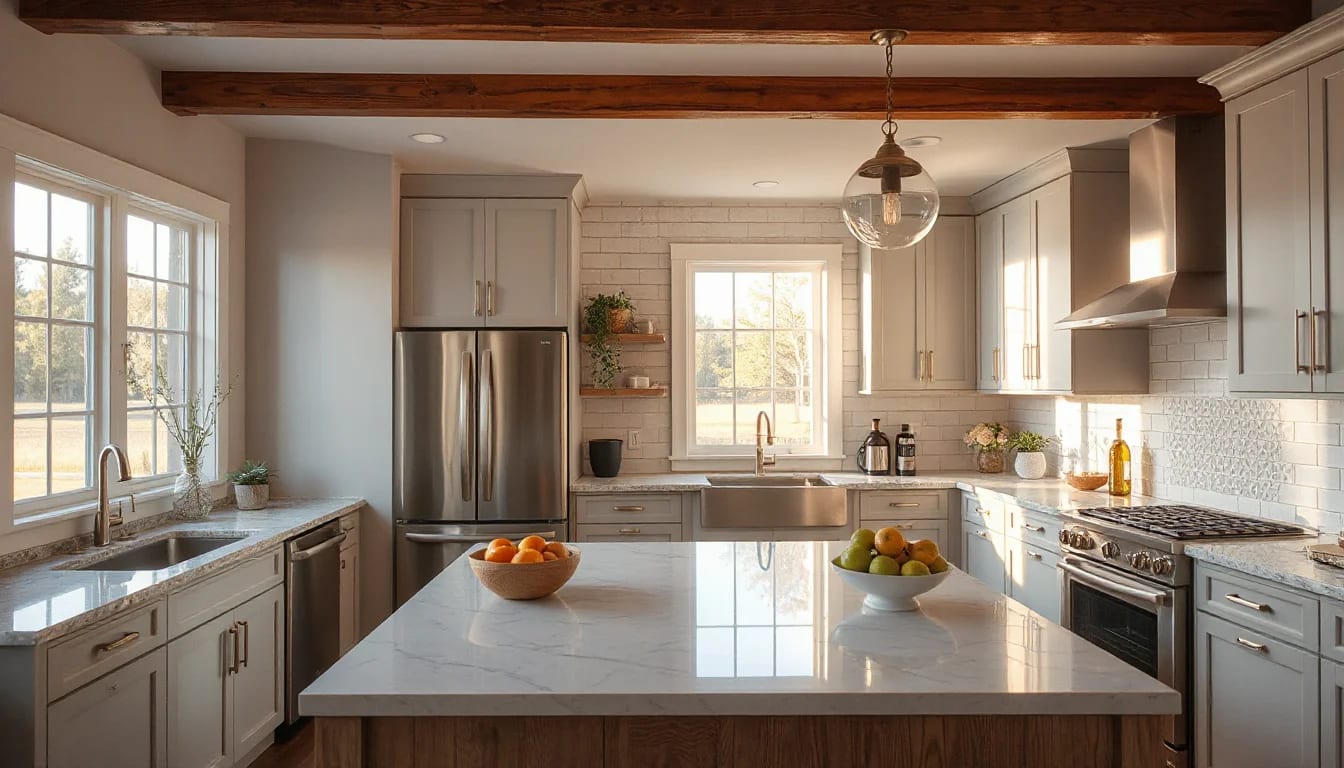
Not every value-protecting project requires a full remodel. In many homes, the best move is to maintain and refresh what is already there. Regrouting tile, recaulking tubs and backsplashes, tightening cabinet hardware, replacing worn light fixtures, repairing scratched flooring, and touching up paint can make interiors feel cleaner and more current without the cost of a complete renovation.
If a finish is badly worn in a high-visibility area, repair usually beats ignoring it. Buyers tend to overestimate replacement costs when multiple small items appear unfinished.
Flooring is a good example. A house does not need brand-new materials everywhere to show well, but flooring should feel consistent, clean, and properly maintained. Deep carpet wear, broken tile, or damaged wood planks can distract from the rest of the home. Strategic replacement in the most affected areas often has more impact than expensive upgrades in rooms that already present well.
Kitchens and bathrooms deserve close review because they receive heavy use and strong buyer attention. Leaky faucets, loose toilets, damaged vanity surfaces, missing trim, or exhausted caulk lines can make these rooms feel older than they are. A maintenance-first approach keeps these spaces functional and visually tidy, which supports the impression that the rest of the property has been cared for with similar attention.
Documentation, timing, and local market presentation
One of the most overlooked ways to protect resale value is to keep records. Receipts, warranties, service dates, roof or HVAC invoices, and before-and-after notes help create a credible maintenance history. When buyers ask what has been done to the property, specific answers are more persuasive than general claims that the home has been “well kept.”
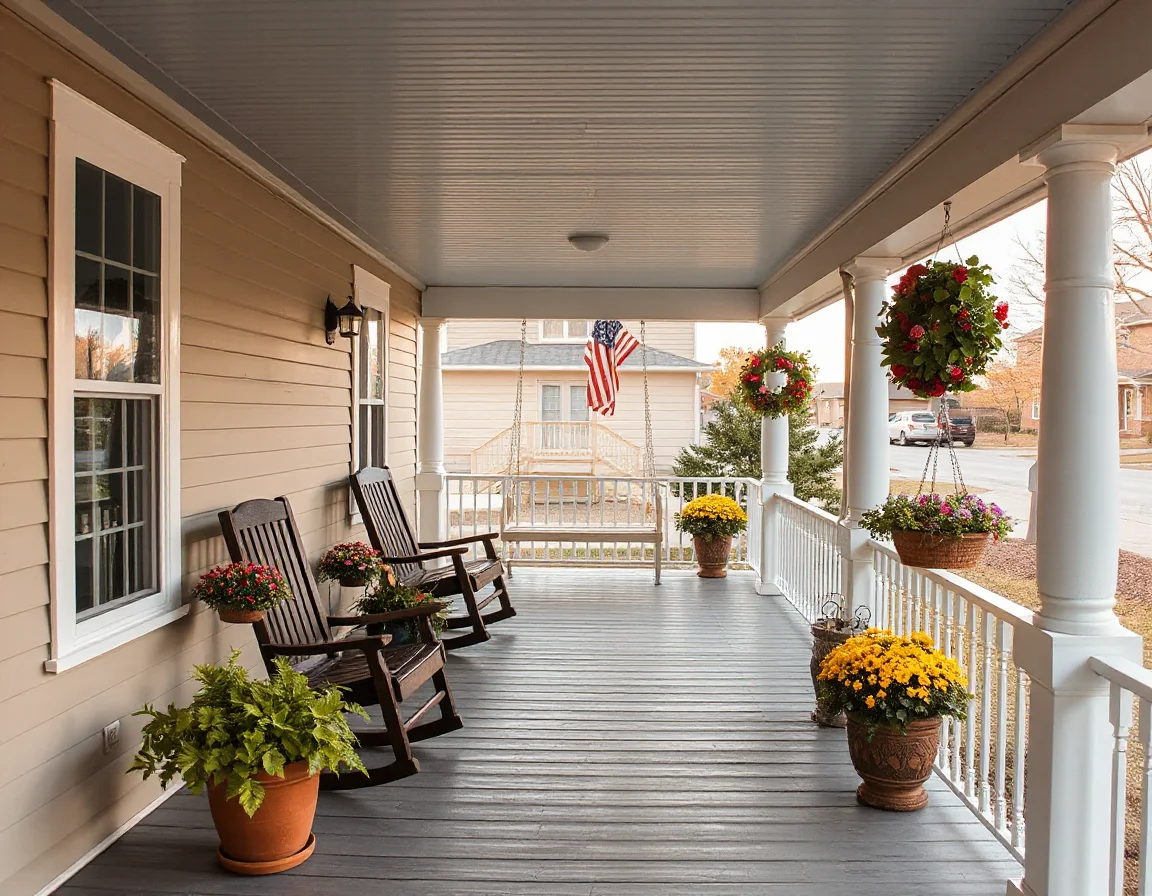
Timing matters too. If you know a move may be on the horizon within the next year or two, spreading projects out can be more manageable than rushing through them just before listing. That gives materials time to cure, contractors time to finish correctly, and homeowners time to prioritize based on condition rather than panic. It also helps avoid over-improving the property in ways that may not match nearby competition.
In Bartlesville, presentation still matters alongside maintenance. Once the core systems and repair items are handled, details like pressure washing, landscape cleanup, neutral paint touch-ups, and brighter lighting can help the home show its best. Buyers often compare several properties in one price range, and the homes that feel cared for tend to stand out for the right reasons.
Discover how much is your house worth
Ultimately, the goal is not perfection. It is to reduce avoidable red flags, preserve the property’s condition, and make it easier for buyers to see value clearly. Thoughtful maintenance supports smoother inspections, stronger first impressions, and a resale story built on reliability rather than repair lists. If selling is part of your long-term plan, the best projects are often the ones that protect the home before anyone ever places it on the market.