
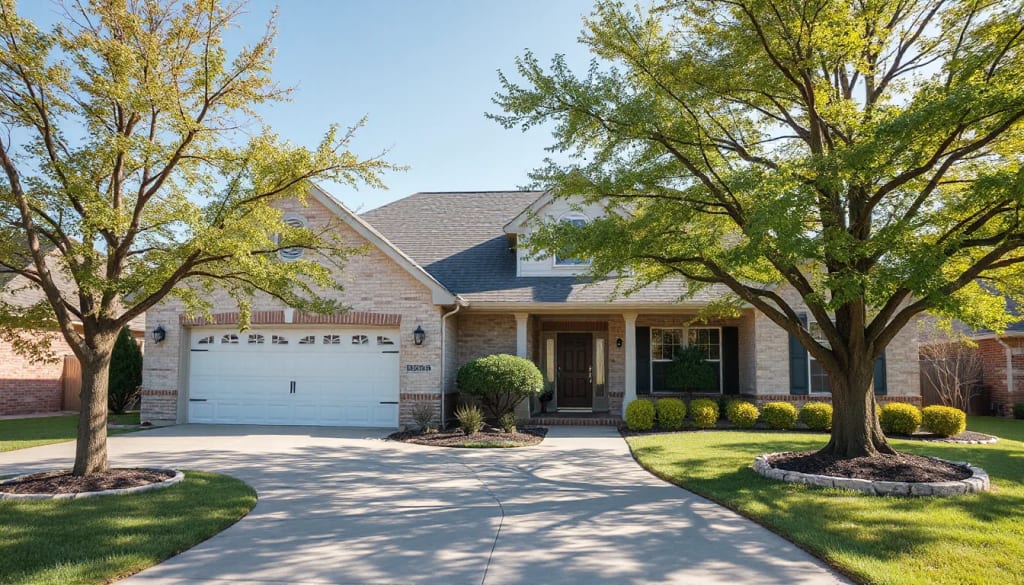
Owasso to Tulsa Market Trends That Help Buyers and Sellers Plan Their Next Move
Reading the Owasso-to-Tulsa Market With More Confidence
Planning a move is easier when the numbers start to tell a story. From Owasso to Tulsa, buyers and sellers are navigating a market shaped by changing inventory, interest rates, pricing strategy, and neighborhood-level demand. Some areas are seeing steady competition for well-presented homes, while others are offering more room for negotiation than they did a year or two ago. That mix creates opportunity, but it also means timing and preparation matter more than ever.
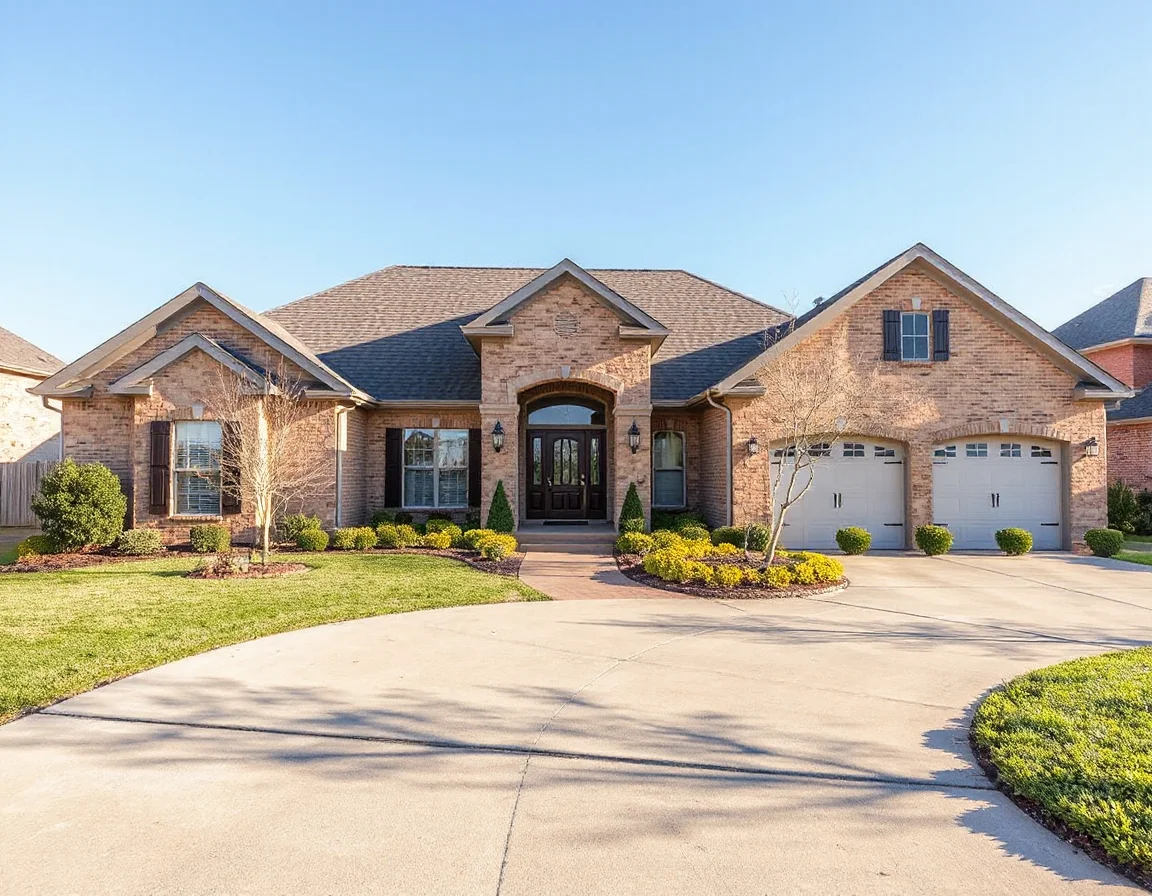
Across this part of northeast Oklahoma, the market often behaves like a collection of smaller micro-markets rather than one single trend line. A home in Owasso may attract attention for its newer construction, lot size, or proximity to major commuting routes, while a property in Tulsa may stand out because of architectural style, established landscaping, or access to cultural destinations, parks, and employment centers. Looking at averages alone can miss those local differences, which is why buyers and sellers benefit from studying current listings, recent closings, and time-on-market patterns side by side.
For buyers, one of the biggest shifts has been the growing importance of precision. Instead of assuming every well-located listing will trigger a bidding rush, many shoppers are comparing value much more carefully. They are paying close attention to condition, updates, utility efficiency, insurance considerations, and monthly payment impact. In practical terms, that means a move-in-ready home priced close to recent comparable sales may still generate strong interest, while a home that needs repairs or is priced aggressively can sit longer and invite negotiation.
Sellers are seeing the same market from the other side. Presentation still matters, but pricing strategy is doing a lot of the heavy lifting. Homes that enter the market aligned with recent comparable sales often generate the strongest early activity, especially during the first days online when attention is highest. Clean photography, thoughtful staging, and a clear list of improvements can help reinforce value, but buyers are quick to notice when a list price stretches beyond what the market supports. In a more informed environment, overpricing tends to reduce momentum instead of creating negotiating room.
What Buyers Are Watching Right Now
Payment sensitivity remains a major driver across the Owasso and Tulsa area. Even modest changes in mortgage rates can reshape what buyers consider affordable, so many are reworking search criteria in real time. Some are widening their search radius to balance price and features, while others are prioritizing homes with fewer near-term maintenance needs. That does not automatically reduce demand; it simply changes where demand shows up and how quickly it converts into offers.
Inventory levels also influence behavior. When more listings become available, buyers gain the ability to compare floor plans, lot sizes, finishes, and seller concessions with greater confidence. That can reduce urgency and make inspections, repair requests, or closing cost discussions more common. On the other hand, when inventory tightens in a specific price band or school district, buyers may need to act quickly on homes that check multiple boxes. The key is understanding whether the competition is broad across the region or concentrated in a narrower slice of the market.
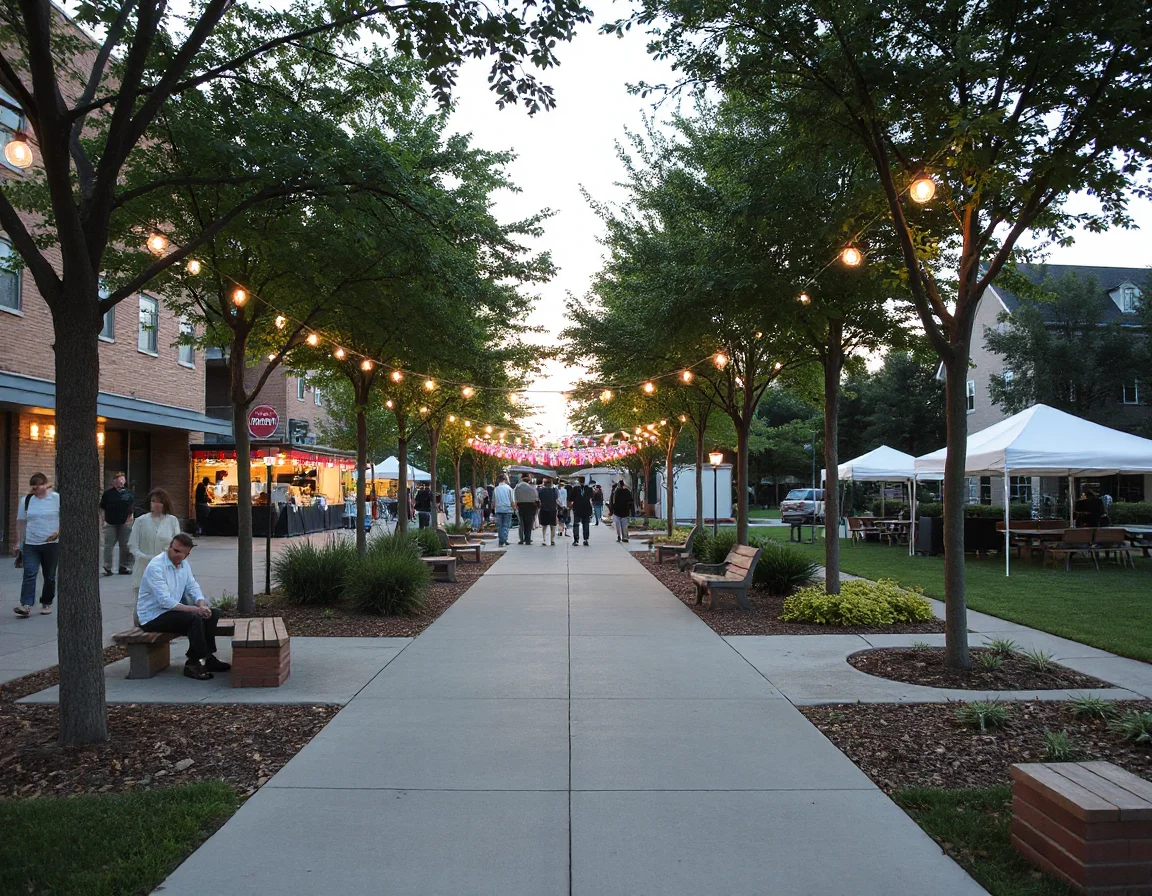
Another factor is lifestyle fit. Buyers are evaluating not only square footage, but how a home supports daily routines. Access to highways, parks, trails, retail corridors, health care, entertainment, and employment hubs can all shape perceived value. In Tulsa, that might mean attention to commute patterns and established neighborhood character. In Owasso, it may involve newer subdivisions, community amenities, and convenient retail access. These are objective details, but they can have a real effect on demand and pricing strength.
Preparation gives buyers an edge. A strong pre-approval, a realistic budget for closing costs and repairs, and a clear understanding of must-haves versus nice-to-haves can make decision-making much easier when the right property appears. In a market with mixed conditions, the winning approach is rarely about speed alone. It is about knowing when to move decisively and when to negotiate from a position of good information.
How Sellers Can Position a Home for Today’s Market
For sellers, the current landscape rewards realism and responsiveness. A well-maintained home with an updated kitchen, refreshed paint, strong curb appeal, and a practical layout still has the ability to stand out. But buyers are comparing every detail against other available options, so even small issues like deferred maintenance, worn flooring, or dated fixtures can influence showing activity and offer quality. Addressing visible concerns before launch often improves first impressions and reduces friction once inspections begin.
Pricing deserves special attention because the first two weeks on the market are often the most revealing. If showings are light or feedback repeatedly points to value concerns, waiting too long to adjust can cause a listing to lose momentum. By contrast, homes introduced at a strategic price point may create a stronger sense of market alignment. That does not always mean pricing low; it means pricing in a way that reflects location, condition, lot characteristics, and recent comparable sales rather than peak-market assumptions from earlier periods.
Marketing quality still matters as well. Buyers usually encounter a listing online before they ever schedule a showing, which means photos, room flow, natural light, and the presentation of outdoor space all play a large role. Clear descriptions of improvements such as roofing, HVAC updates, windows, flooring, or energy-efficient features help buyers assess value faster. In both Owasso and Tulsa, homes that tell a complete and honest story tend to generate more serious interest than listings that leave buyers guessing.
Neighborhood Trends, Amenities, and the Bigger Picture

Market trends also make more sense when paired with everyday amenities. Buyers moving between Owasso and Tulsa often compare access to recreation, dining districts, public spaces, shopping corridors, and major roads as part of the home search. Parks, trails, golf options, performing arts venues, and regional event calendars all contribute to how residents experience a location from week to week. These quality-of-life factors can shape demand in subtle but meaningful ways, especially when paired with housing stock that matches current expectations for layout and condition.
Schools are another important part of many home searches, and they are best approached with objective research. Attendance boundaries, academic programs, extracurricular offerings, and district updates can change over time, so buyers should verify current information directly with the appropriate school district. From a market perspective, school-related searches can influence where demand clusters, which is one reason neighborhoods with limited inventory may see stronger pricing resilience than nearby areas with more available homes.
Zooming out, the Owasso-to-Tulsa corridor benefits from a diverse housing mix. Buyers can find everything from established homes with mature trees to newer construction with modern finishes and energy-conscious design. That variety helps keep the market active because different price points and property styles appeal to different needs. It also means broad headlines about “the market” rarely tell the full story. A seller in one neighborhood may need to move aggressively on price, while another may receive strong activity right away based on condition and scarcity.
Whether the goal is buying, selling, or doing both in sequence, the best plan starts with current local data and a practical strategy. Watching list-to-sale ratios, average days on market, price reductions, and neighborhood inventory can help clarify what kind of move makes sense now versus a few months from now. In a region as varied as Owasso and Tulsa, successful decisions come from matching the right property, price, and timing to the realities of today’s market—not yesterday’s assumptions.